


Our Programs
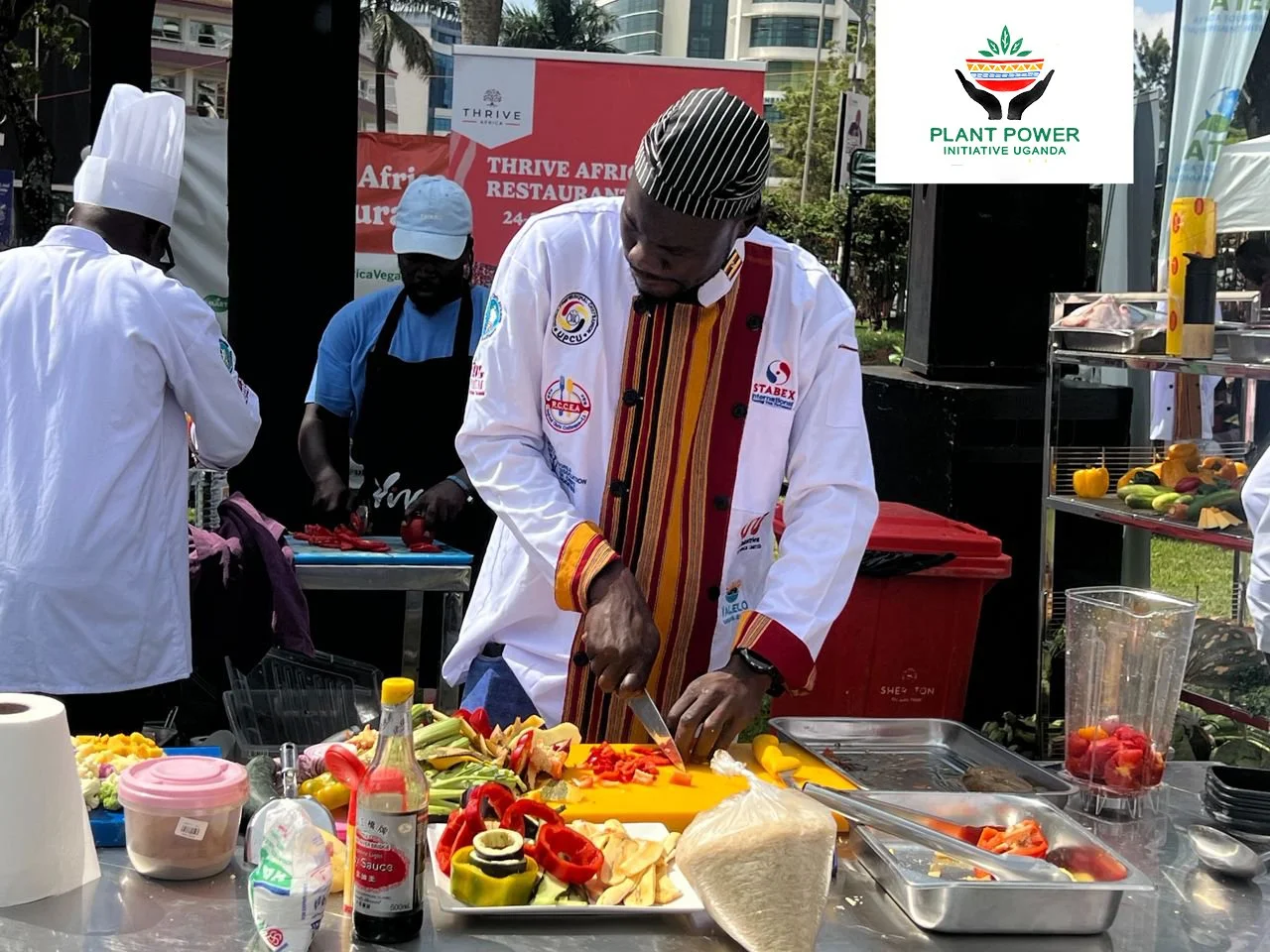

Restaurant Outreach
Plant-based cuisine in Uganda is diverse and rich – this program works to make it more visible and accessible.
We partner with restaurants, chefs, and businesses to add plant-based dishes to menus across the country. We do this through chef training, food tastings, public awareness campaigns, festivals, and media engagement.
We also participate in the Thrive Africa Vegan Restaurant Week – an Africa-wide campaign that increases the accessibility of plant-based options and raises public awareness of factory farming.
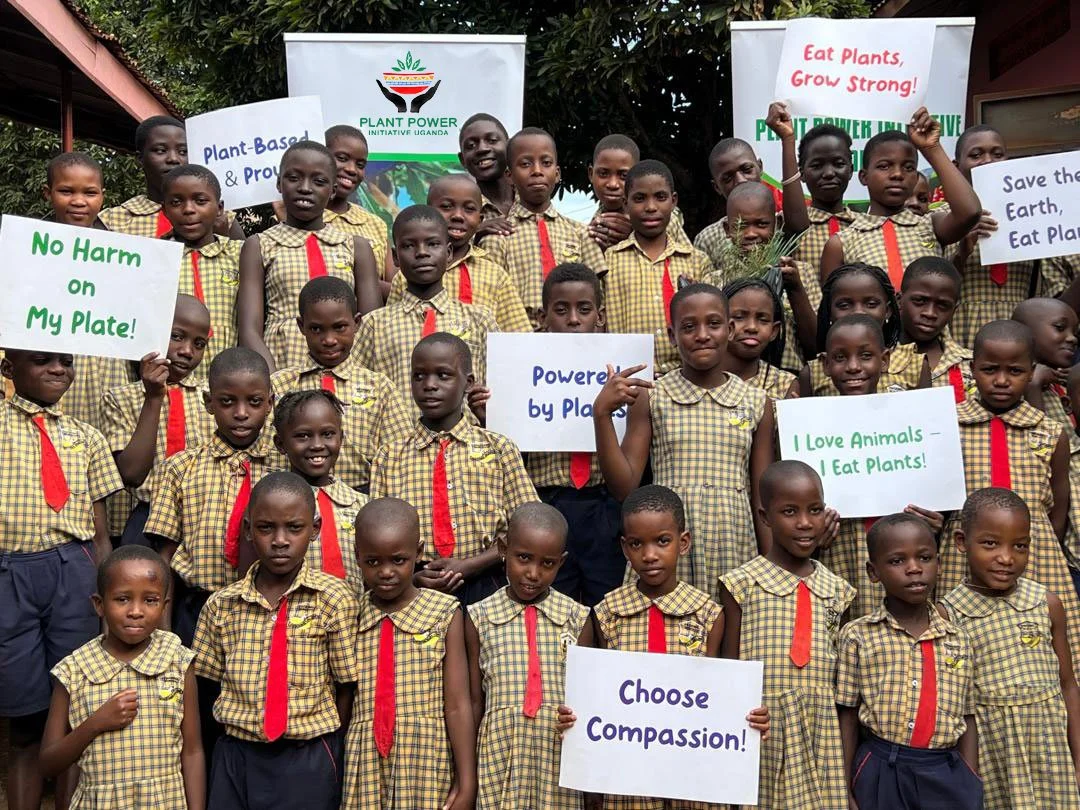

Plant-Based School Meals
Early education plays a critical role in shaping lifelong dietary choices and values around health and sustainability. We promote healthy eating habits among children and young people by introducing plant-based nutrition in schools.
We train school cooks on preparing balanced plant-based meals, run nutrition education sessions with students, set up school gardens, and hold animal compassion and coexistence sessions that connect what children eat to how animals are treated. We also engage school leadership directly to ensure continuation of these teachings.
This program targets primary and secondary school students, school administrators, caterers, and teachers. It also indirectly benefits families by extending knowledge and behavior change from schools into homes.
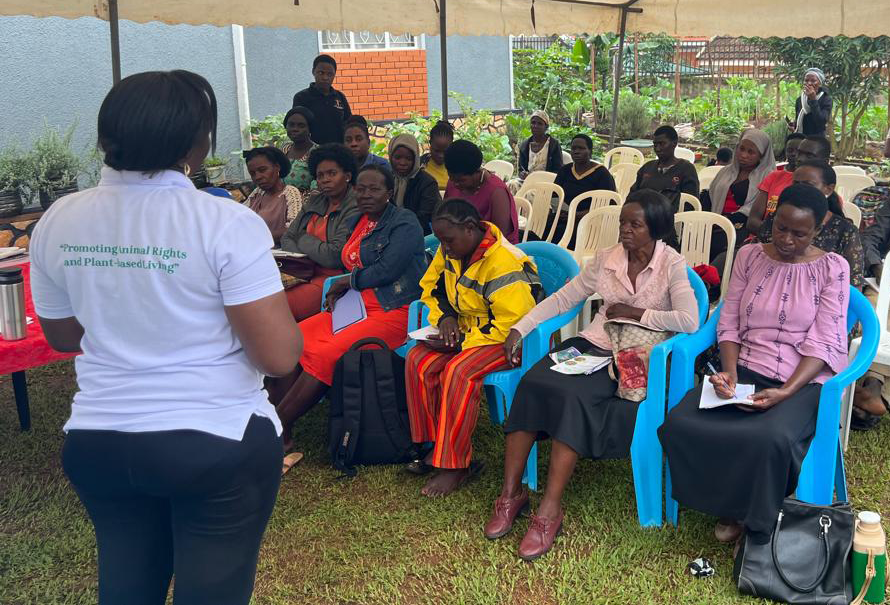

Plant-Powered Women Initiative
Women make most household food decisions in Uganda – reaching them directly is one of the most effective ways to shift how families eat.
This program focuses on building a strong network of women leaders who can advocate for plant-based living while promoting healthier lifestyles and reducing diet-related diseases.
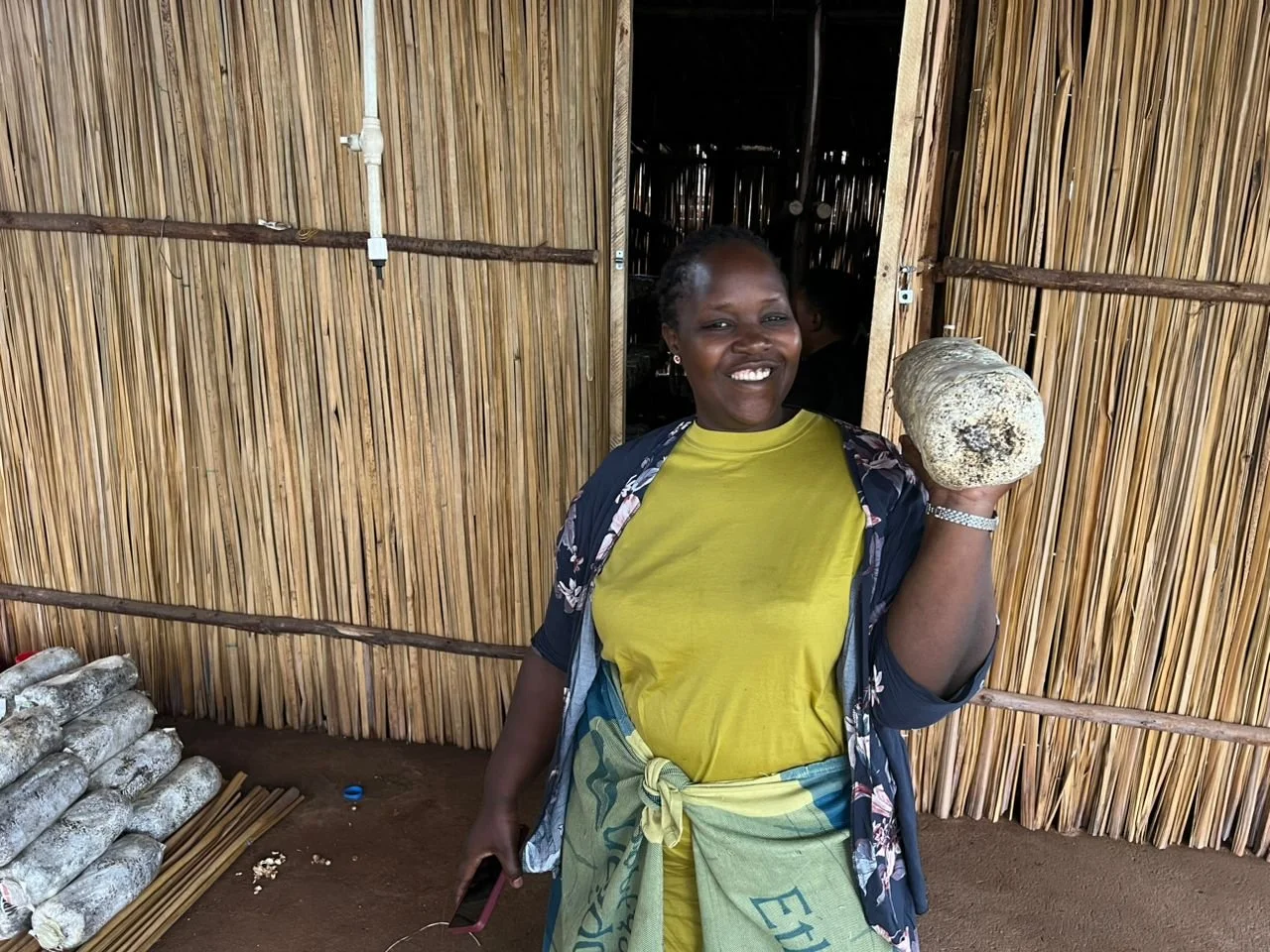
We run nutrition workshops and plant-based cooking sessions using affordable, locally available ingredients. We help women start kitchen gardens at home, providing seeds, seedlings, and practical guidance. We also offer training in sustainable agriculture and leadership skills, as well as mentorship and peer learning opportunities to ensure continuous growth.
We work with young mothers, women farmers, caregivers, and small-scale food producers in both urban and rural communities. We also engage youth and aspiring female leaders who are interested in promoting healthier and more sustainable food systems within their communities.

Rural and Urban Farming Support
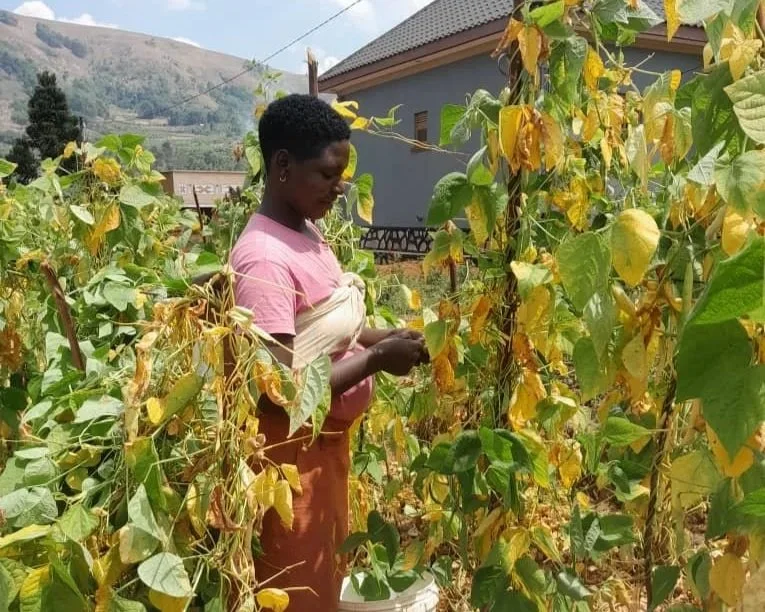
Growing your own food is one of the most direct ways to improve what you eat. This program makes that possible for more Ugandans – all while strengthening food security and promoting sustainable agriculture.
We train communities in urban farming, sustainable agriculture, and mushroom growing. We support household and community garden projects, providing seeds, technical guidance, and hands-on training.
We also offer value addition training, covering techniques like drying vegetables and mushrooms to extend shelf life and improve profitability. We also connect farmers with potential markets to improve the accessibility and affordability of locally grown plant-based food.
The program focuses on women, youth, and small-scale farmers in both rural and urban settings.
Street and Farmed Animal Welfare
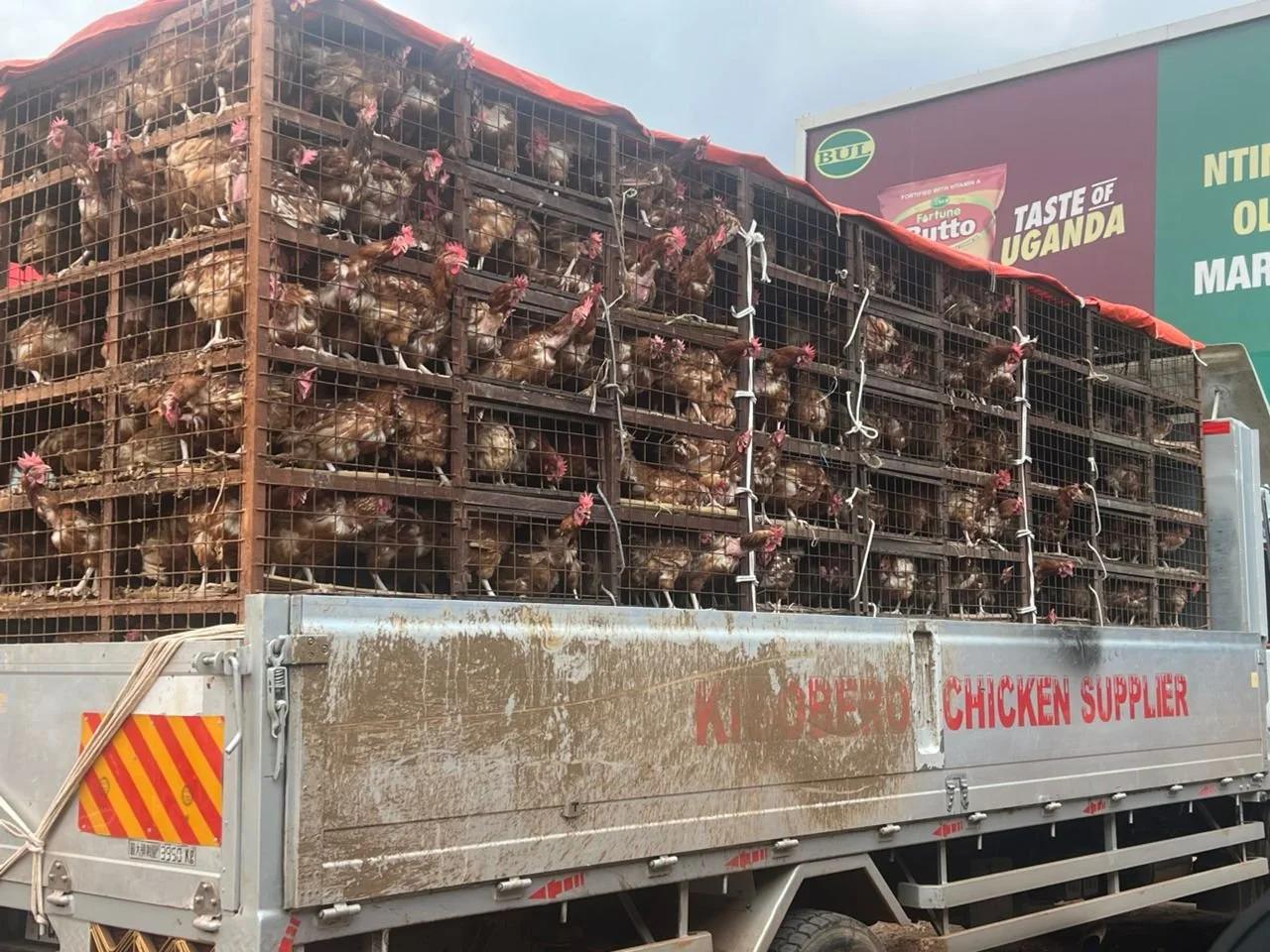
This program advocates for the humane treatment of Uganda's most vulnerable animals, including street dogs subjected to poisoning as a population control method, and farmed animals that routinely face inadequate handling and transport conditions.
We run mass vaccination campaigns, promote humane alternatives to poisoning, educate communities on the humane treatment of animals, and engage local leaders and government authorities on policy. On the farmed animal side, we work with farmers and transporters to improve handling and transport standards.

Community Awareness and Advocacy
This program focuses on raising public understanding of plant-based living, sustainable food systems, and animal welfare.
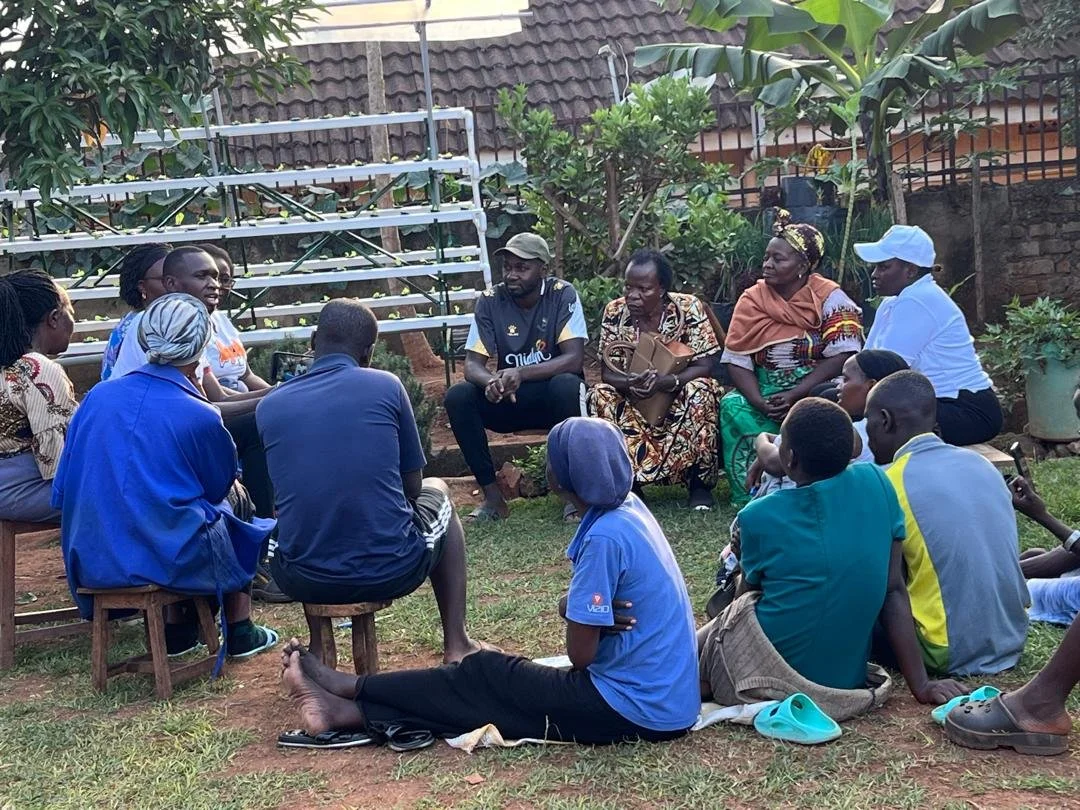
We run community workshops, public talks, outreach events, and social media campaigns. We show up at festivals and exhibitions, talking about plant-based diets, sustainable food systems, and animal welfare in spaces where communities already gather.
We engage community members, youth, local leaders, and institutions interested in health, sustainability, and ethical food practices.